

The May 2025 Visa Bulletin brings significant developments for EB-5 investors, especially Indian nationals navigating an increasingly competitive landscape. These updates, including retrogression in the unreserved EB-5 category and the continued availability of TEA set-aside categories, highlight the need for strategic planning and prompt action. Understanding these changes is crucial for investors aiming to secure U.S. residency while minimizing delays and maximizing opportunities. On this blog by EB5 Doctors, we’ll tell you everything you need to know.
Key Updates from the May 2025 Visa Bulletin
1. Retrogression of EB-5 Unreserved Final Action Date for India
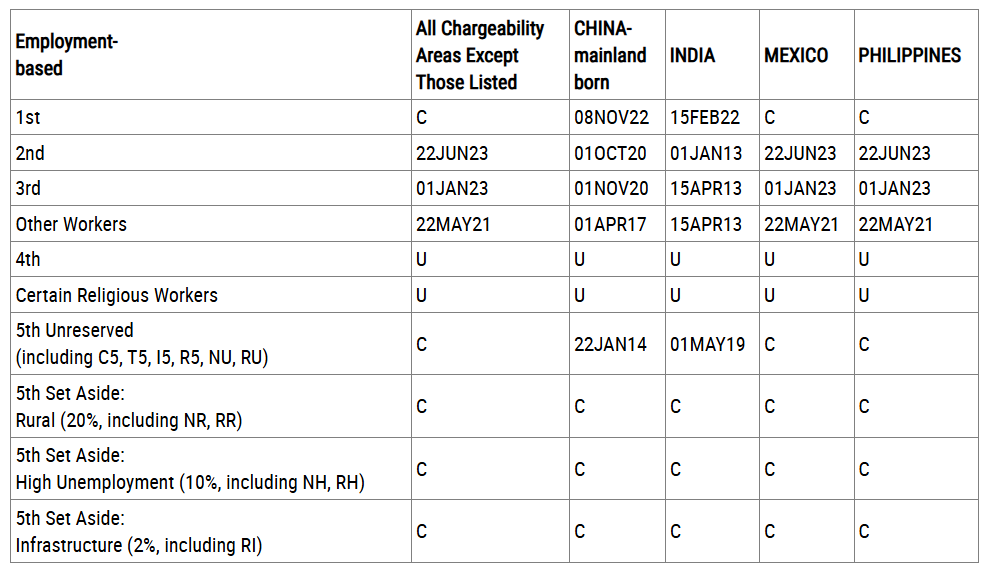
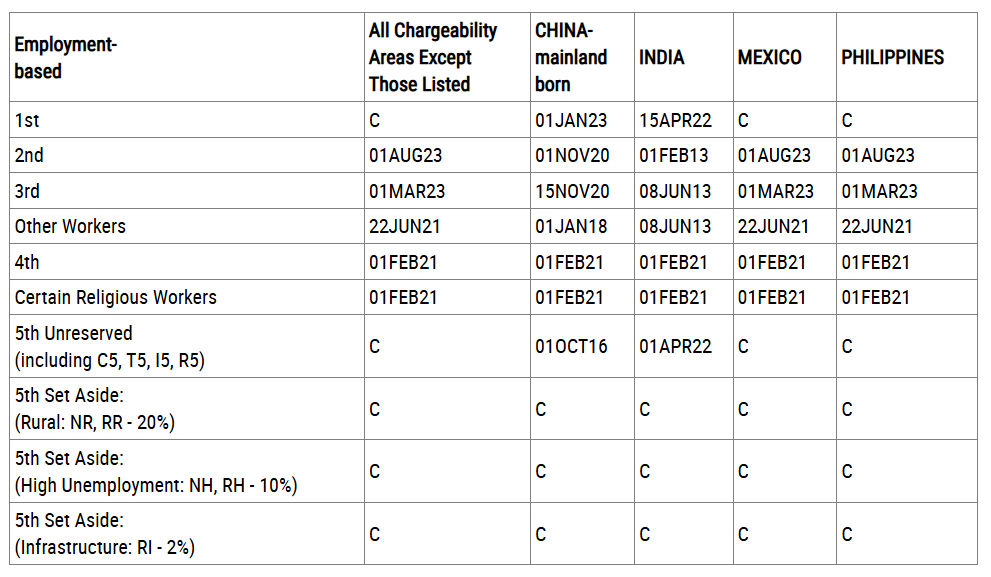
One of the most significant updates is the retrogression in the EB-5 “Unreserved” category for Indian nationals. The new final action date for India in this category has been set to May 2019, which marks a considerable delay. This change is driven by high demand for visas in this category, both from India and globally.
As demand continues to increase across the world, there is also a possibility that final action dates will need to be established for applicants from other countries. USCIS has noted that the situation is being closely monitored and adjustments will be made as necessary.
2. TEA Set-Aside Categories Remain Current
For now, the EB-5 Targeted Employment Area (TEA) set-aside categories—including Rural, High Unemployment, and Infrastructure projects—remain current. These categories have continued to offer faster visa processing for applicants globally, including Indian nationals. This makes TEA investments a particularly attractive option for those looking to bypass delays in the “Unreserved” category, especially as demand rises.
3. Importance of Actively Monitoring Visa Availability
The bulletin emphasizes the volatility of wait times and visa availability. For example, while TEA categories are current now, increasing demand could push these into backlog status in the near future, similar to what has happened with the “Unreserved” category.
Implications for EB-5 Investors
These updates highlight a growing trend of heightened demand in the EB-5 program, particularly from Indian nationals. Here’s what it means for you if you’re considering making an investment to secure U.S. residency through EB-5:
- Longer Waits for Indian “Unreserved” Investors
Indian nationals applying under the “Unreserved” category now face significant delays, likely stretching into several years. If you’ve been planning to invest in this category, it might be time to reconsider your approach, such as exploring TEA set-aside options. - TEA Investments Offer a Competitive Edge
While these categories remain current, they provide a quicker path to residency compared to the retrogressed “Unreserved” category. This could change rapidly as demand continues to surge, so acting promptly is crucial. - Concurrent Filing Restrictions
Once a backlog begins for Indian applicants across categories, concurrent filing of Form I-526 (Immigrant Petition by Alien Investor) and Form I-485 (Application for Adjustment of Status) will no longer be available. This eliminates the ability to secure work authorization (EAD) and travel privileges (Advance Parole) while awaiting visa availability, further slowing down the process for applicants.
Why You Shouldn’t Wait to Apply
The current Visa Bulletin underscores the importance of entering the EB-5 process as early as possible to avoid escalating delays. Here are some reasons why acting now can significantly benefit you:
- Secure a Priority Date
Filing your application now allows you to lock in a priority date, placing you ahead of future applicants who will have to wait even longer for visa adjudication. - Take Advantage of TEA Set-Aside Availability
Whether through rural, high unemployment, or infrastructure projects, TEA-based investments provide the dual benefit of faster processing and reduced investment thresholds ($800,000 versus $1,050,000 for non-TEA projects). - Avoid Process Disruptions
If retrogression spreads to TEA categories, it could eliminate your ability to file I-526 and I-485 concurrently, losing out on key interim benefits like the ability to work and travel freely while waiting for your Green Card.
Next Steps for EB-5 Applicants
If you are ready to take advantage of the current opportunities within the EB-5 program, especially in TEA set-aside categories, here’s what you should do next:
- Consult with an Experienced EB-5 Advisor or Attorney
Guidance from experts ensures that your investment meets USCIS standards and maximizes your chances of success. - File Before the Backlog Worsens
Act now to submit your application during the summer or early fall to avoid potential delays, especially with the September cutoff date for new retrogressions looming. - Evaluate TEA Projects Quickly
With TEA zones still current, prioritizing these types of projects could save you years of waiting. - Monitor Monthly Visa Bulletins
Make it a habit to stay informed about how the Visa Bulletin impacts your case, as dates and availability can change quickly. - Partner With Trusted Professionals
EB5 Doctors is here to provide personalized guidance and support at every step of your immigration process, offering access to vetted projects and a network of trusted legal and financial professionals.
Conclusion
The May 2025 Visa Bulletin has reshaped the EB-5 landscape, especially for Indian investors. Delays are growing, and future backlogs seem inevitable as the program’s popularity surges. However, by acting quickly and strategically, investors can still position themselves for success.
Don’t wait to take the next step in securing your future in the U.S. Contact EB5 Doctors today to begin your EB-5 application and ensure you don’t get caught in the backlog. Your U.S. residency goal is still attainable—with the right strategy and timely action.
This article is intended for informational purposes only and should not be considered as legal or financial advice. For personalized guidance regarding the EB-5 program, get in touch with us.
“Gold Card” Visa Plan vs the EB-5 Visa: What Investors Need to Know Read here
EB-5 Investment Trends for 2025: Insights into Emerging Industries and Opportunities Read here
How to Meet EB-5 Job Creation Requirements in 2025: Tips for Ensuring Compliance Read here